Can you stop getting stuck in mediocrity?

But really what is mediocrity? Living average, living an alright life, not pushing yourself to do more, giving excuses and quiting easily. Mediocrity show up in our lives when we value the wrong things and expect them to make us happy.

Now hear this, you are not finished (a failure) when you are defeated or face challenges, you are finished (a failure) when you quit.

Ever wondered why your life is below the standard you always wanted to maintain? Ever wondered why you live a mediocre life? These 2 questions have one answer, the life you are living now is a reflection of your choices, decisions & commitment.

Mediocrity made you give up you & settled for what you didn’t want just because you thought that you will never get what you really wanted. Let me ask you this life changing question, Do you have goals & reasons that push you to become your best self or are you okay with being average?

Life is too precious to be lived in mediocrity. 

Remember, You are Rare, You are Remarkable

My book “35 Days of Re-Defining You for Success” is a perfect tool to aid you break out of mediocrity

Javnyuy Joybert
Trainer, Coach, Consultant & Entrepreneur.
Let’s connect +237656140207 javnyuy@cosdefgroup.com
http://www.javnyuyjoybert.com
I work with ambitious visionary & committed people break barriers. Are you one? Having an upcoming event & need my services? Am just an email or call away

How you carry yourself is part of your brand: Javnyuy Joybert

Many times am fascinated how young people carry themselves in public, how they approach people. Get this man, the way you carry yourself may be communicating more than you know to the next person or people in the hall…read more 👇
https://www.javnyuyjoybert.com/2019/05/10/how-you-carry-yourself-is-part-of-your-brand-javnyuy-joybert/

School of Growth & Significance (SGS)

Javnyuy Joybert

“You want a good life, then stop playing the victim and take responsibility for your actions & life” Javnyuy

One key thing is outstanding about remarkable people. They take responsibility for making the future happen and inspire others to do the same. They don’t sit and play the “I’m the victim game”

One of the most difficult things people find it hard to do is taking ownership of their own behaviour & the consequences of that behaviour. They go wrong because of poor lifestyle & point accusing fingers. If you have been doing that lay hands on your & repeat “Lord I now know am the devil behind my poor outcomes”

Let me tell you this small secret for free, when you fail to act when you know you should is lack of responsibility and that takes you away from Success. You agree with me there are times when you look the other way when you know the right thing to do is to take helpful action but you don’t. Oh yeah I have been there too

Jeff Durham told me this “When we make excuses or try to blame other people or external factors for the eventual outcome of something, not only are we failing to take responsibility, but we are demonstrating a character trait which is very common in people who fail to succeed in anything”

When you assume your responsibility, you are giving yourself the power to shape the outcome yourself & therefore taking an active & not a passive role in how the outcome turns out.

Bitter truth, people who do not take responsibility for their lives are unlikely to Succeed. Taking responsibility starts with a clear sense of purpose and consistent commitment. Taking responsibility for what’s going on in your life is one of the best things you will ever do.

Have a super day ahead!

You are Rare, You are Remarkable!

TheJoybertEffect Episode 60

Javnyuy Joybert
Trainer, Coach, Consultant & Entrepreneur.
Let’s connect +237656140207 javnyuy@cosdefgroup.com
http://www.javnyuyjoybert.com
Practical tools & frameworks to use in creating the career & business you want.

What is Plastic Pollution?

Plastic pollution is currently one of the biggest environmental concerns. It may seem like large amounts of plastic waste are inevitable in the world we live in, but you can help with the plastic pollution issue by being aware of its dangers and taking steps to reduce waste.

The amount of garbage in the world increases as the population grows, and disposable plastic products, like water bottles and soda cans, accumulate over time. Plastic pollution occurs when enough plastic has gathered in an area that it affects the natural environment and harms plants, animals, or humans.

Plastic has toxic pollutants that damage the environment and cause land, water, and air pollution. It can take hundreds or even thousands of years for plastic to break down, so the damage to the environment is long-lasting.

What Causes Plastic Pollution?
Overuse of plastic is the main cause of plastic pollution. Plastic is cheap and widely available, but people frequently dispose of plastic items. They don’t decompose, and they release an incredible amount of toxins into the air if they’re burned.

Regular, everyday trash is one of the biggest contributors to plastic pollution. Milk cartons with plastic linings, disposable water bottles, soaps with small plastic beads, and other products end up in the environment or in dumps where they can affect the groundwater and nearby wildlife.

Commercial fishing nets are another big issue. Although fishing is necessary for the economy and for food supply in many regions, nets are often made of plastic. When the nets are submerged in the water, they leak toxins. They can also break or get lost, adding even more pollutants to the water.

What are the Effects of Plastic Pollution?
The pollution in the ocean is mostly from plastic, and it has a terrible impact on marine species. As a result, it can hurt the economy and food supply for communities that rely on fishing.

Plastic can hurt tiny organisms like plankton, which larger animals rely on for food. If small organisms are poisoned from ingesting plastic, the animals that eat them will also consume toxins. The toxins work their way up the food chain and can even be present in the fish people eat.

Not only does plastic cause damage to the ocean, but it can also damage groundwater sources. Many regions are already facing issues with , but water sources everywhere are in danger because of plastic pollution. Plastic toxins in dumps and from litter can seep into the groundwater, which people drink every day.

On land, wind can carry plastic waste or litter throughout the environment. It can get stuck in trees, fences, traffic lights, or other structures. When animals come into contact with this plastic waste, they risk consuming the toxins or becoming entangled in the plastic and suffocating. If an animal consumes a piece of plastic, the plastic can clog its stomach while also poisoning it with toxins. Almost 200 different species of animals are known to ingest plastic debris.

Air pollution is another issue for humans and animals. When plastic is burned in the open air, it releases large amounts of toxins, which pollutes the air. If the toxins are inhaled for a long period of time, it can lead to respiratory problems.

As the world’s population increases, land becomes more valuable, and it will soon become difficult to find places to put garbage. Over time, landfills and dumps will take up more land, invading animals’ habitats and coming even closer to groundwater sources.

In addition to harming plants, animals, and people, it costs millions of dollars every year for cleanup of areas exposed to plastic toxins. Many regions have seen a decrease in tourism because of the amount of pollution in their environment, which can have a serious impact on local economies.

Are There Solutions to the Plastic Pollution?
Consumers can help fix the problem by making an effort to reduce plastic waste. A great way to reduce waste is to use reusable bags when you grocery shop. People often leave stores with dozens of plastic bags that just get thrown away.

Drinking from a reusable water bottle instead of a disposable one can also be very helpful. If everyone drank the recommended amount of water per day from disposable bottles, it would create an unbelievable amount of plastic waste.

You can also avoid to-go containers like cups from coffee shops and styrofoam containers for leftovers from restaurants. Instead, purchase reusable containers to cut down on waste.

Avoid using plastic straws, even in restaurants. If you like using straws, you can purchase a reusable glass or stainless steel straw. Try to buy household products like laundry detergent in cardboard boxes instead of plastic bottles. If you use plastic lighters frequently, consider investing in a metal refillable lighter instead. Even small changes in your day-to-day life can add up and greatly reduce the amount of plastic waste in the environment.

After reducing your plastic use as much as possible, recycle everything you can. Jars, milk jugs, batteries, and even items like crayons and ink cartridges can be recycled.

If you’re passionate about decreasing plastic waste and reducing pollution in the environment, you can become an advocate in your community. Speak to local restaurants, shops, or other businesses about environmentally-friendly packaging and bagging options. More and more businesses are decreasing their use of plastic supplies because of environmental concerns, and local businesses are likely to take their patrons’ suggestions seriously.

You can also speak to lawmakers or local government members about plastic pollution. Get your friends, neighbors, and other community members involved, too. The more people in the community who speak up about pollution, the more likely your local politicians are to pay attention.

Plastic pollution has a big impact on the environment, but plastic waste isn’t unavoidable. Every time you make the choice to avoid or recycle plastic products, you lower the risk of environmental damage. Be conscious of your choices, and encourage those around you to think twice before they throw away plastic or buy unnecessary plastic items.

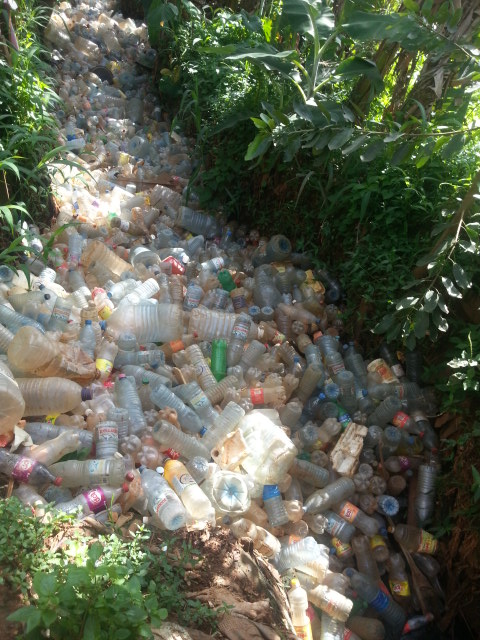
THE EFFECTS OF PLASTICS BOTTLES ON THE ENVIRONMENT


In recent years, there has been a rapid increase in the demand for and use of plastics especially plastic bottles both by households, companies, factories and industries for packaging and distribution of their products.
Every day the majority of us consumes drinks in plastic bottles and also uses plastic bottles in every day household goods, such as bleach, shampoo, conditioner, bathroom cleaners and hand soap dispenser bottles.
More than 480 billion plastic drinking bottles were sold in 2016 across the globe, which increased exponentially from around 300 billion bottles a decade ago. On top of that, it is estimated that over half a trillion plastic bottles will be sold in 2020. By 2021 it’s estimated that the number of plastic bottles will increase to 583.3 billion, according to estimates from Euromonitor International’s global packaging trends. According to the National Geographic, 91% of all plastic is not recycled. Jenna Jambeck, a University of Georgia environmental engineer who specializes in studying plastic waste in the oceans, said this could cause damage to marine ecosystems. She said: ‘we all knew there was a rapid and extreme increase in plastic production from 1950 until now, but actually quantifying the cumulative number for all plastic ever made was quite shocking.’ ‘This kind of increase would “break” any system that was not prepared for it, and this is why we have seen leakage from global waste systems into the oceans,’ she continued. Meanwhile in the UK, the average UK household uses 480 plastic bottles per year, but only recycles 270 of them. This means that 44% are not recycled, according to Recycle Now. Worryingly, new data from Recycle Now shows that the number of plastic bottles evading recycling in the UK could reach 29 billion over the four years up to the end of 2020.
Walking into the quarters of Biyem-assi, TKC, Etug-ebe-especially the quarter around the Handicap Centre, Streets like from Carrefour Biyem-assi towards Carrefour Accasia, Etug-ebe and TKC and I began to wonder how people manage to cope or withstand the stinking smell that comes out from the gutters as a result of standing water from homes which equally acts as breathing ground for mosquitoes.
With this, I begin to wonder how we can effectively fight against malaria, cholera, typhoid and other water bond diseases. Take a walk to Carrefour Biyem-assi especially where these women sell food {beans, pap, pofpof and soya} and look into the gutter. You will not withstand the stinks.
To add to these, you see plastics littered everywhere especially plastic bottles found in some gutters which eventually blocks the gutters preventing it from draining leading to flooding.
With all these, the question that runs through and across my mind is; How can we keep the environment clean and free from plastics which are none biodegradables? or How can I as an individual make sure my environment is clean? After all I alone cannot keep the city of Yaoundé clean but I must start from somewhere and set the pace for others to follow.
On Saturday the 13th of April2019, I joined an Organization known as Enhancing Youth Empowerment for Creative Innovation [EYECI] with soul desire to keep the environment free from plastic bottles.
Plastic bottles are everywhere you turn. Drinking water, soda, various food products and even condiments come in plastic bottles. While plastic bottles provide manufacturers with a cheap and convenient way to package their products, these bottles take, on average, 1,000 years to biodegrade–posing a threat to both consumers and the environment as a whole.
What are the effects of these plastic bottles when poorly disposed to the environment?
Reduced Landfill Space
Plastic bottles take up a large amount of space in landfills, contributing to the Earth’s waste disposal problem. According to the Clean Air Council, residents of the United States alone throw away 2.5 million plastic bottles every hour. That’s 60 million plastic bottles each day. Landfills are intended to serve the immediate area’s disposal needs for an extended period of time. The high number of plastic bottles going into the garbage, however, significantly shortens a landfill’s lifespan. In 2009, North Carolina became the first state to enact a ban on disposing of plastic bottles in landfills.

Wasted Fossil Fuels
The world’s economy depends upon fossil fuels, chiefly oil, to function property. Fossil fuels, however, are a limited natural resource. The process used to manufacture plastic bottles expends 17 million barrels of oil annually. Not only is the oil expended non-renewable, but manufacturing plants burn the oil during the production process–releasing a significant amount of pollution into the atmosphere. If used as fuel for vehicles rather than manufacturing fuel, 17 million barrels of oil would produce enough gasoline to power one million cars for an entire year.
Hazardous Chemicals
Bisphenol-A, a chemical used in the production of hard plastic bottles, such as baby bottles and sports bottles, can leach into the substances these bottles contain. The New York Times reports that, exposure to the chemical altered the mammary and prostate tissue of lab rats and brought on early sexual development in female mice. Air Pollution
Incineration is one method of disposing of plastic bottles that doesn’t reduce the available space in landfills. Unfortunately, incinerating plastic bottles comes with hazards all its own. The State of California Department of Conservation notes that burning plastic bottles releases toxic fumes into the atmosphere. The chemicals released from burning bottles poses a health risk to consumers and contributes to the breakdown of the Earth’s ozone layer.
From the above harmful effects, I therefore charge every young person to take the challenge to make our environment friendly. There is a need to preserve the environment for our children’s children. This can be called “Operation keep the environment free from plastics.
How can the council make sure we maintain and keep clean a healthy environment free from diseases?
The council which acts as the Government at local levels, should intensify the day set aside for total clean up every week of which an inspection team will pass around on the set day for inspection and defaulter should be sanctioned. By this, our environments will be kept clean.

Come to think of it. What will happen to our environment and those living around these areas if these plastics are piled up like this for 10 years?
Do you want to do a 10 years’ plastic bottle challenge?

“Be uncomfortable being comfortable with your current life, career & Business” Javnyuy

We are in a period where we need to be comfortable being uncomfortable. We need to be hungry for consistent improvement in our personal lives, in our career & business operations. The current market place is not for people who are comfortable being stuck in one place.

Hear this, as a student, job seeker, young professional, Entrepreneur or business man, If you don’t disrupt yourself, the marketplace will do it for you.

There are people who survive, there are people who compete, there are people who dominate. Becoming complacent is the worst thing any professional could do in this century as this makes you less likely to progress towards your ultimate goals. People who dominate are not complacent.

The current market place is intense and competitive & market place stakeholders are judged by their capabilities to handle new trends & not just past experience. The reason so many people struggle with everyday things is due to a lack of applicable skills because they are so comfortable being unskilled & valueless in the market place.

Everyday is an opportunity to be be better and stronger .

Successful Tuesday ahead!

You are Rare, You are Remarkable!

TheJoybertEffect Episode 57

Javnyuy Joybert
Trainer, Coach, Consultant & Entrepreneur. Better ways, better ideas, and better perspectives
Let’s connect +237656140207 javnyuy@cosdefgroup.com
Website: http://www.javnyuyjoybert.com

YALI Learns Event

Mandela Washington Fellows Day 2019

Focus: Creating & Maintaining Social Enterprises

Even if your idea is great, there’s a big difference between having a
great idea and creating a successful social enterprise.

Date: Thursday, 23rd May 2019
Time: 10am to 12:30pm
Venue: Yaounde, Carrefour Acaccia, NEXTTEL Building

Free: Registration form must be filled
Spots: 30 People

Register here
http://bit.ly/Mandelafellowsday

NB: You must be an executive or run an NGO, Foundation or Social Enterprise to participate

The Negative Environmental Impact of Working in The Cloud

It’s also important to consider the less positive aspects of the cloud when it comes to environmental impact and for all businesses involved in cloud computing to reduce this impact wherever possible.

The main environmental impact of using the cloud comes from the amount of energy it takes to run and maintain very large data centers.

As these data centers contain thousands of servers, all of which must be powered on 24/7 to ensure their clients have access to their data at all times, the energy needs of each data center is substantial.

Additionally, the servers require cooling systems to combat the constant heat they are generating, which also has a massive energy requirement.

Making The Cloud Greener

Cloud providers are well aware of the environmental impact of using their technology and many big companies are putting research and funding into developing greener systems.

The Green Grid Association was set up as a non-profit consortium of cloud providers, energy companies, and end users, with the aim of improving data center efficiency and reducing environmental impact, worldwide.

Google has stated it is committed to energy efficiency and uses its own resources to design facilities with smart technology that use 50% less energy than other data centers. Currently 35% of the energy to power these data centers is supplied by renewable sources.

Amazon’s data centers are powered by wind and solar energy, alongside traditional non-renewable energy sources, and the company aims to be using 50% renewable energy by the end of 2017.

Microsoft has also shown its concern for environmental issues by hiring a new Director for Datacenter Sustainability and has reduced water usage in their data centers by designing an air-cooling system.

Large-scale cloud providers realize that a commitment needs to be made to reduce their environmental impact and they are putting money and resources into making cloud computing greener for everyone.

Design a site like this with WordPress.com
Get started